Table Of Contents
Benefits of Installing a UV Light
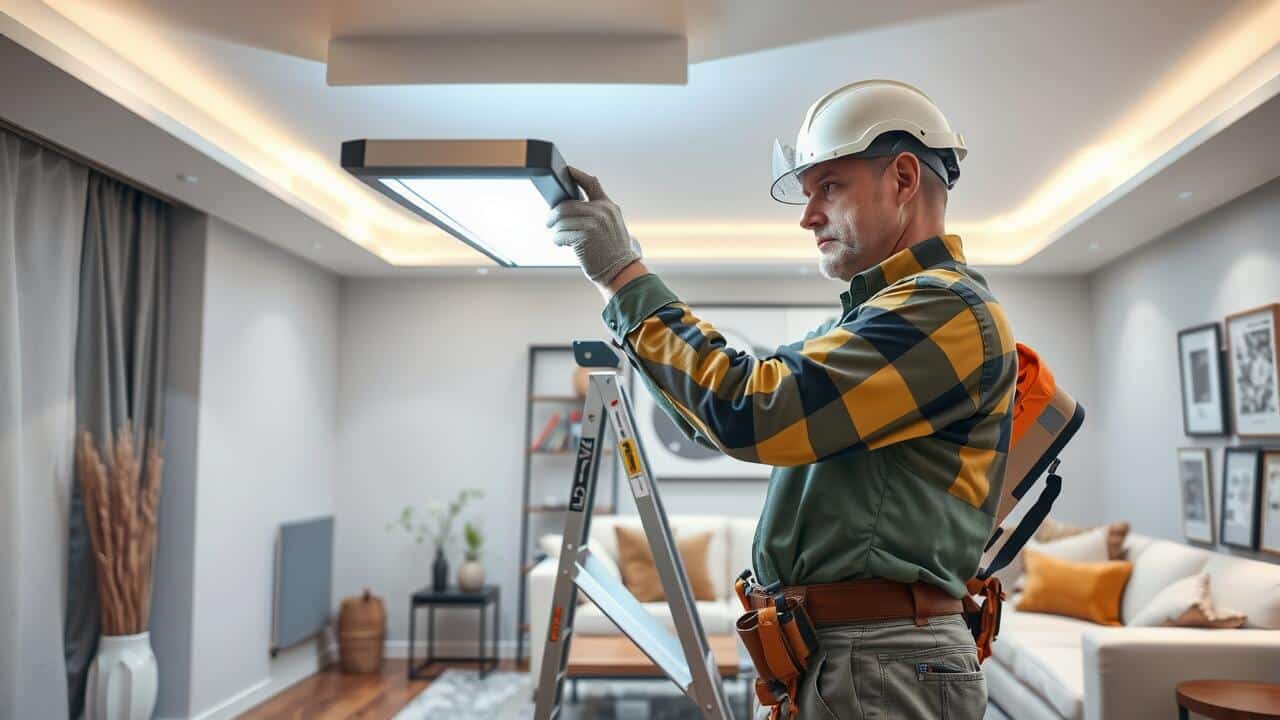
Installing a UV light offers numerous health benefits by reducing airborne pathogens. This technology targets bacteria, viruses, and mold, enhancing indoor air quality. With its ability to neutralize harmful microorganisms, UV light installation creates a safer living environment. Many households and businesses find that this proactive approach to sanitation significantly lowers the risk of illness.
In addition to health improvements, UV light installation can lead to better energy efficiency within HVAC systems. By maintaining cleaner coils and ducts, these systems operate more effectively, which can help lower energy consumption. Over time, this can result in noticeable savings on utility bills. Many users appreciate the dual benefits of improved air quality alongside reduced energy costs.
Health and Safety Improvements
Installing UV lights significantly enhances indoor air quality. These devices work by eliminating microorganisms such as bacteria, viruses, and mold spores. By reducing these pathogens, UV light installation helps create a healthier environment, particularly in enclosed spaces like offices, hospitals, and homes. As a result, occupants experience fewer illnesses and allergic reactions, promoting overall well-being.
Furthermore, UV light installation can improve the safety of water supply systems. The technology is effective in treating both drinking water and water used in recreational facilities, ensuring that harmful contaminants are neutralized. This proactive approach not only safeguards public health but also instills confidence in the quality of water consumed, making UV lights a valuable addition to health and safety protocols.
Common Applications of UV Lights
UV lights are becoming increasingly popular in a variety of settings due to their effectiveness in providing sanitation and improved air quality. In residential homes, UV light installation can be used in HVAC systems to eliminate airborne pathogens, creating a healthier indoor environment. Additionally, they are commonly found in commercial spaces, such as restaurants and hospitals, where maintaining sterile conditions is critical to preventing the spread of infections.
Aquarium enthusiasts also utilize UV lights to maintain the health of aquatic life. In this application, UV light installation helps control harmful microorganisms that can threaten fish and plant species. Furthermore, in industrial settings, UV lights are employed for surface disinfection and curing processes in manufacturing. Their versatility makes them a valuable solution in various environments, meeting specific needs for cleanliness and safety.
Usage in Different Environments
UV light installations are increasingly adopted in various environments due to their effectiveness in reducing harmful pathogens and improving air quality. In residential settings, they are commonly integrated into HVAC systems to disinfect the air circulating throughout the home. This application enhances the health of occupants by minimizing allergens and airborne viruses.
In commercial spaces, such as hospitals and laboratories, UV light installations play a critical role in maintaining sterile conditions. These environments require rigorous sanitation measures, and the incorporation of UV lights aids in consistently reducing microbial loads. The ease of integration into existing infrastructure makes UV systems an attractive option for businesses focused on hygiene and safety.
Evaluating Energy Efficiency
When considering energy efficiency, UV light installation plays a crucial role in enhancing the overall performance of HVAC systems. These lights help reduce the buildup of mold, dust, and bacteria within air ducts, which can hinder airflow and force systems to work harder. By keeping the system cleaner, UV lights contribute to better energy consumption and can prolong the lifespan of the HVAC equipment.
The investment in UV light installation can lead to significant long-term savings on utility bills. With reduced strain on heating and cooling systems, homeowners and businesses often notice a decrease in energy costs over time. Additionally, improved air quality can enhance the comfort of living and working environments, making this installation an attractive option for those looking to optimize energy use and health benefits simultaneously.
Long-term Savings on Utility Bills
UV light installation can lead to significant long-term savings on utility bills. These systems operate efficiently, reducing energy consumption while improving air quality. By effectively neutralizing harmful pathogens, UV lights can minimize the need for additional heating and cooling, creating a more balanced indoor environment. This balance translates to a reduction in energy usage over time, allowing homeowners to see a decrease in their monthly expenses.
Additionally, the lifespan of HVAC systems can be extended with the use of UV lights. By keeping the air ducts cleaner and working more efficiently, these systems require less frequent maintenance and repairs. As a result, the initial investment in UV light installation pays off through not only reduced utility bills but also lower costs associated with system longevity.
FAQS
What is the average cost to install a UV light system?
The average cost to install a UV light system can range from $100 to $1,500, depending on the type of system, its complexity, and installation requirements.
Are there ongoing costs associated with maintaining a UV light system?
Yes, there are ongoing costs which may include replacement bulbs, regular maintenance, and energy usage, typically amounting to $50 to $200 per year depending on the system’s usage.
Can I install a UV light system myself, or do I need a professional?
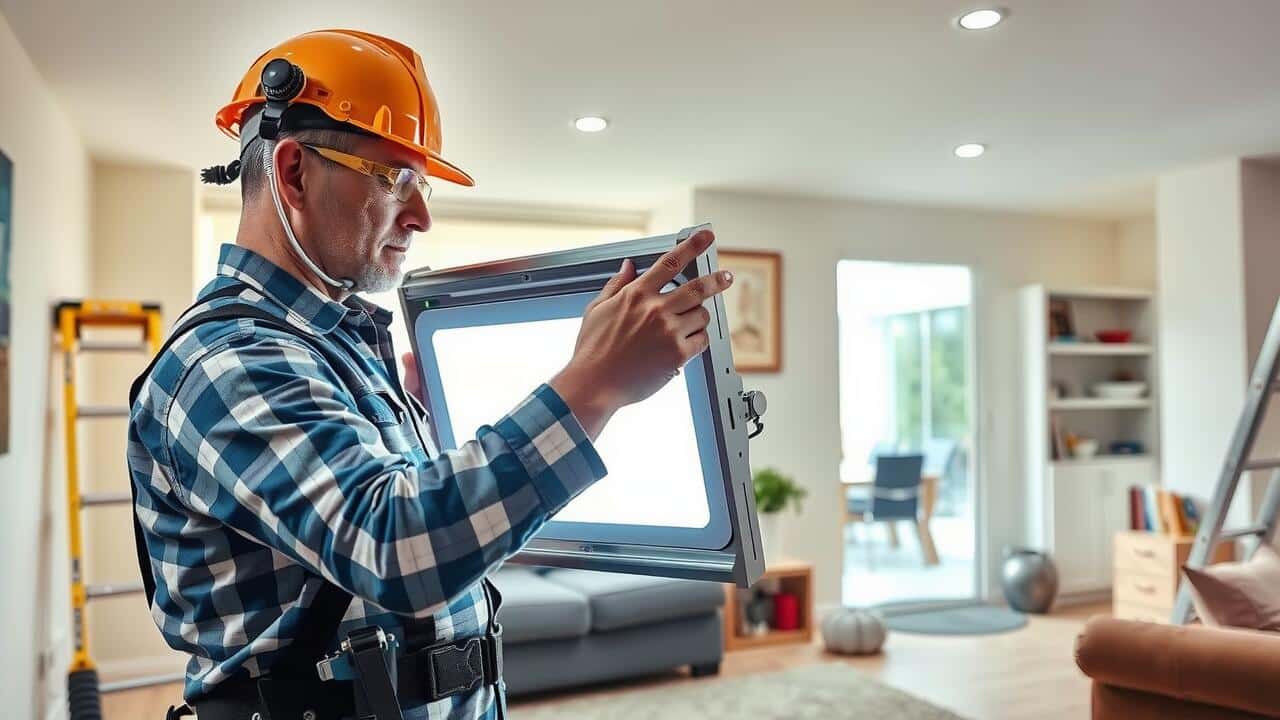
While some UV light systems can be installed as DIY projects, it’s generally recommended to hire a professional for installation to ensure proper placement and safety.
What factors influence the installation cost of a UV light?
Factors that influence the installation cost include the type of UV light system, the size of the area being treated, existing HVAC systems, and whether additional electrical work is needed.
Are there any financial incentives or rebates available for installing a UV light system?
Some utility companies or government programs may offer rebates or incentives for energy-efficient upgrades, including UV light systems, so it’s worth checking with local programs.