Table Of Contents
The Importance of Professional Assessment
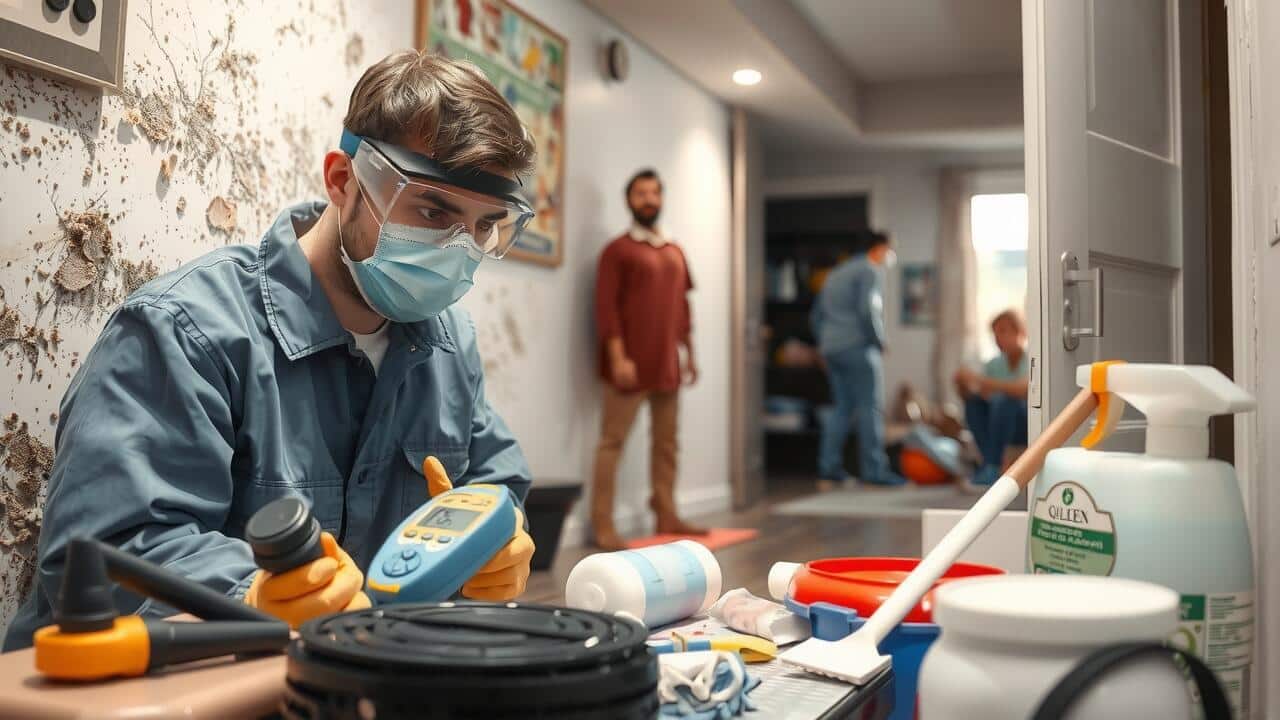
Professional assessment is crucial when dealing with mold remediation. An expert can evaluate the extent of the mold problem and identify the type of mold present, as not all molds are the same. This allows for a tailored approach to remediation, ensuring that the underlying causes of mold growth are addressed effectively. Without an accurate assessment, homeowners may risk missing hidden mold or inadequate treatments that could lead to recurring issues.
Additionally, a professional can pinpoint any water damage or ventilation problems that may have contributed to mold growth in the first place. Addressing these issues during the remediation process not only resolves the immediate concern but also helps prevent future infestations. Investing in a thorough professional assessment can save homeowners time and money in the long run, making it an essential step in achieving successful mold remediation.
Identifying Underlying Issues
Identifying underlying issues is crucial in the mold remediation process. Mold can thrive in hidden spaces, so pinpointing the source of moisture is essential for effective treatment. Water leaks, high humidity, and inadequate ventilation often contribute to mold growth. Failure to address these problems can lead to recurring mold infestations, making initial remediation efforts ineffective and costly over time.
Professional mold remediation companies often conduct thorough assessments to uncover these hidden issues. This evaluation may involve inspecting areas like attics, basements, and crawl spaces where moisture problems frequently occur. Addressing the root causes not only enhances the long-term effectiveness of mold remediation but also helps maintain a healthy environment, reducing potential health risks associated with mold exposure.
Additional Services That May Impact Cost
When considering mold remediation, additional services can significantly impact the overall cost. For instance, air quality testing is often recommended to ensure that the environment is safe and free from mold spores. This testing not only identifies the current air quality but also provides insights into any potential lingering issues that may need to be addressed. The results can guide homeowners in deciding which specific remediation steps are necessary to ensure a safe living space.
Moreover, some companies may offer ancillary services like insulation replacement or structural repairs that may be required after mold is removed. These services add to the expenses but are sometimes essential for preventing further mold growth. Homeowners should be aware of these potential costs ahead of time and factor them into their budget for mold remediation, as addressing all issues comprehensively can lead to better outcomes and long-term savings.
Air Quality Testing
Air quality testing plays a crucial role in the mold remediation process. This testing helps identify the presence of mold spores and other pollutants in the air. It often involves collecting samples and analyzing them in a laboratory to determine the specific types of mold and their concentrations. Accurate air quality assessment allows professionals to devise a comprehensive remediation plan tailored to the unique conditions of the space.
Many homeowners might overlook air quality testing’s importance, focusing instead on visible mold. However, mold can thrive in hidden areas, making it essential to understand the air quality throughout the entire environment. Comprehensive testing not only aids in the remediation process but also contributes to long-term health and safety for inhabitants. Proper air quality assessment can ultimately lead to more effective mold remediation and a healthier living space.
Long-Term Savings from Proper Remediation
Investing in mold remediation can yield significant long-term savings for homeowners. Addressing existing mold issues prevents further damage to structures, which can be costly to repair. Mold can compromise the integrity of walls, floors, and even the foundation of a home. By taking action promptly, homeowners can avoid extensive renovation expenses that often arise from prolonged exposure to mold.
Effective mold remediation also enhances indoor air quality, benefiting the health of residents. Poor air quality due to mold spores can lead to respiratory problems and other health issues. By ensuring a thorough remediation process, families can safeguard their well-being while minimizing potential health care costs in the future. Prioritizing mold remediation is not merely about eliminating a nuisance; it is an investment in the home and the health of its occupants.
Preventing Future Mold Growth
Preventing future mold growth is essential for maintaining a healthy indoor environment. After completing mold remediation, homeowners should focus on controlling moisture levels in their homes. This can be achieved through proper ventilation in high-humidity areas like bathrooms and kitchens. Repairing any leaks in plumbing or roofing also plays a crucial role in preventing water accumulation that can lead to mold.
In addition to addressing moisture, regular inspections are important for early detection of potential mold issues. Homeowners should also consider using mold-resistant products during renovations or repairs. These products can help inhibit mold growth in vulnerable areas. Staying vigilant about indoor humidity levels with dehumidifiers can provide added protection against mold re-establishing itself after remediation.
FAQS
What factors influence the cost of mold remediation?
Several factors can influence the cost of mold remediation, including the extent of the mold infestation, the type of mold present, the size of the affected area, and any necessary repairs to underlying issues. Additionally, location and the expertise of the remediation service can also impact pricing.
Is it necessary to hire a professional for mold remediation?
While some minor mold issues can be addressed by homeowners, it is generally recommended to hire a professional for mold remediation. Professionals can accurately assess the situation, identify underlying issues, and ensure that proper remediation techniques are used to prevent future growth.
What additional services might increase the overall cost of mold remediation?
Additional services that may impact the cost of mold remediation can include air quality testing, structural repairs, and preventive treatments. These services can provide a more comprehensive solution to mold issues, but they will add to the overall cost.
How can proper mold remediation lead to long-term savings?
Proper mold remediation can lead to long-term savings by preventing further damage to your property, reducing health risks associated with mold exposure, and ultimately lowering the likelihood of future mold infestations. Investing in thorough remediation can save you from costly repairs down the line.
How can I prevent future mold growth after remediation?
To prevent future mold growth, it is essential to address any underlying issues that may contribute to moisture buildup, such as leaks or poor ventilation. Regular maintenance, controlling indoor humidity levels, and using mold-resistant materials can also help keep mold at bay.
