Table Of Contents
Seasonal Considerations for Chimney Maintenance
Seasonal changes significantly impact chimney maintenance. As colder months approach, homeowners should prioritize the condition of their chimneys. Debris buildup and soot accumulation are common issues that can interfere with proper ventilation. Preparing your chimney for winter ensures safe operation, minimizing the risk of chimney fires and carbon monoxide exposure. Scheduling a chimney sweep before the heating season begins is advisable, offering peace of mind for the months ahead.
During autumn, leaves and other organic materials can obstruct chimneys, leading to smoke backflow and inefficiency. Regular inspections and cleanings should align with these seasonal shifts, addressing the aftermath of summer storms or increased use during winter. A thorough chimney sweep removes blockages and soot, allowing for optimal performance when the fire burns most often. Proactive maintenance in tune with the seasons can enhance the longevity of your chimney system.
Preparing Your Chimney for Winter
As winter approaches, homeowners should ensure their chimneys are ready for use. A thorough inspection is crucial. Creosote buildup can occur, posing a fire hazard. Scheduling a chimney sweep becomes essential, ensuring any buildup is removed. A clean chimney improves efficiency and safety during colder months.
Beyond a professional sweep, homeowners can perform some basic checks. Look for visible cracks or blockages in the chimney structure. Ensure the cap is in good condition and properly fitted to prevent debris from entering. These preventative measures help maintain airflow and reduce the risk of potentially dangerous chimney fires.
The Sweeping Process Explained
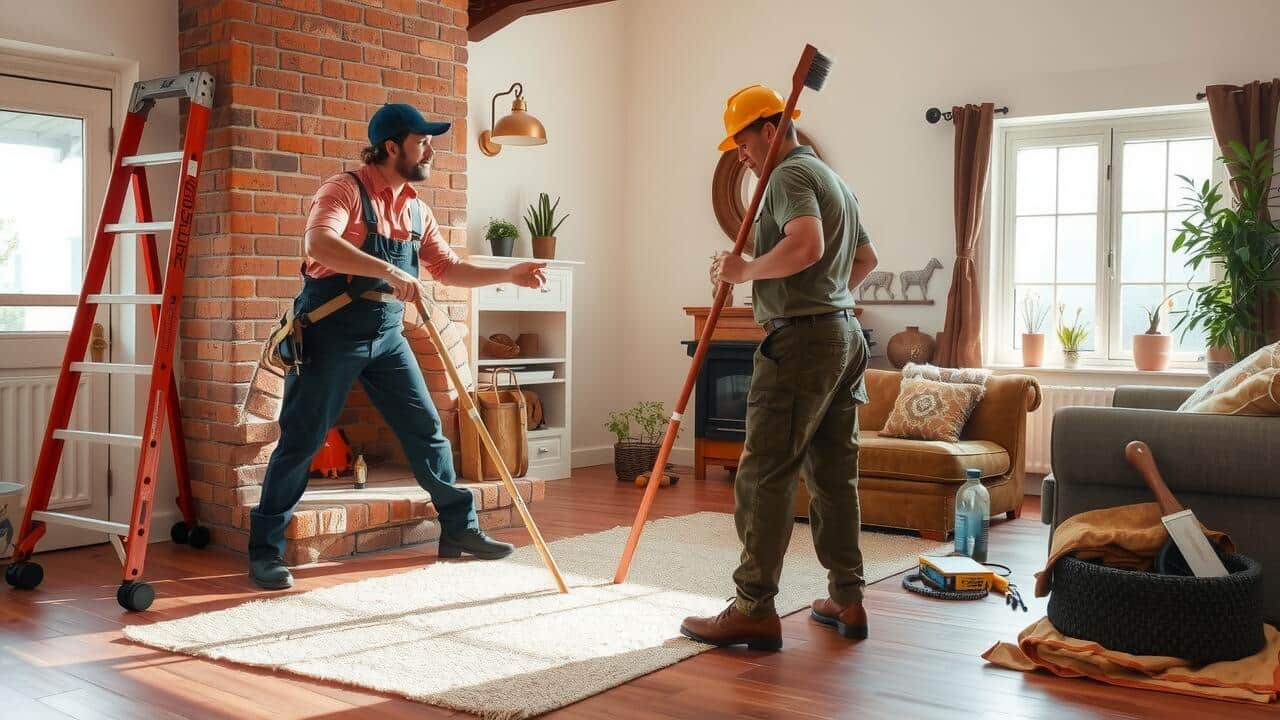
The sweeping process begins with a thorough inspection of the chimney. A professional chimney sweep will check for blockages, structural issues, and the overall condition of the flue. This assessment helps identify any potential hazards that could affect the performance of the fireplace or stove. After the inspection, the chimney sweep will prepare the area to minimize mess. This typically involves laying down protective tarps and covering furniture and flooring nearby.
Once the setup is complete, the actual sweeping can commence. The chimney sweep uses specialized tools, such as brushes and vacuums, to remove creosote build-up and other debris from the flue. The process may include both top-down and bottom-up sweeping techniques, depending on the chimney’s design. A comprehensive approach ensures that every part of the chimney is cleaned and free of blockages, which significantly reduces the risk of chimney fires and enhances the efficiency of the heating system.
What to Expect During a Professional Sweep
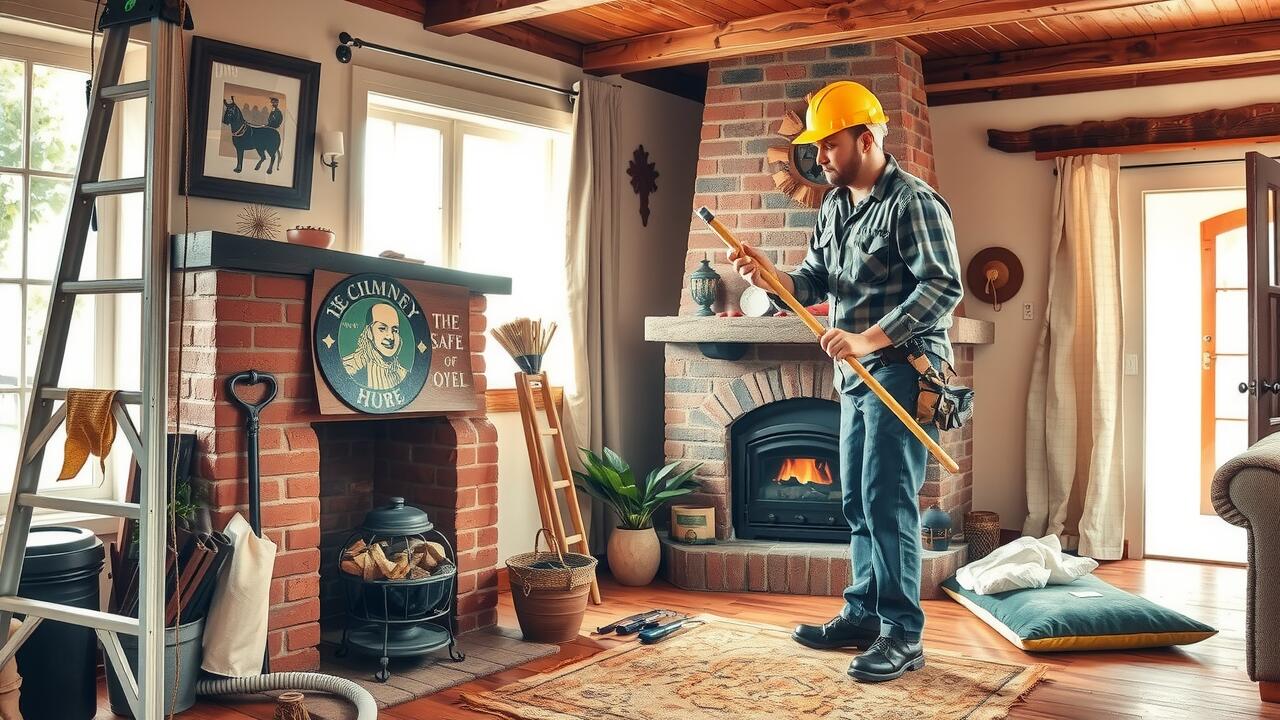
When you hire a chimney sweep, the process typically begins with a thorough inspection of your chimney and fireplace. The technician will look for any signs of damage, buildup, or blockages that might affect proper ventilation. This initial assessment helps identify any potential issues before the sweeping process begins. Once the inspection is complete, the chimney sweep will prepare the area to minimize mess, often using drop cloths and vacuum equipment to capture debris.
The actual sweeping involves using specialized tools to remove soot, creosote, and other unwanted materials from the chimney flue. A brush is often employed to scrub the walls of the chimney, ensuring that all buildup is effectively dislodged. The chimney sweep may also check the flue liner for any cracks or wear during this process. After the sweeping is complete, the technician will clean up any mess created during the job and may provide recommendations for future maintenance or repairs.
DIY Chimney Maintenance Tips
Homeowners can take several proactive steps to maintain their chimneys between professional sweeps. Regular inspections play a critical role in spotting potential issues early. Look for signs of creosote buildup, as excessive deposits can lead to chimney fires. Checking for blockages such as nests or debris ensures that airflow remains unobstructed. A flashlight can aid in examining the flue and inner walls, providing a clear view of any problems.
Performing basic maintenance tasks also helps prolong the life of your chimney. Cleaning around the exterior and keeping the area free from overhanging branches reduces fire risks. Consider using a chimney sweep brush for minor soot removal if comfortable doing so. Always prioritize safety by wearing protective gear and following guidelines for effective cleaning. Regular attention to these details can contribute significantly to the efficiency and safety of your chimney system.
Basic Checks Homeowners Can Perform
Homeowners can engage in several basic checks to ensure their chimneys remain in good condition between professional sweeps. One key task involves inspecting the flue for obstructions. Debris such as leaves, nests, or soot build-up can block the passage, potentially leading to dangerous situations during use. A quick visual inspection using a flashlight can help identify any noticeable issues.
Another important aspect of chimney maintenance is assessing the fireplace area for signs of wear and tear. Homeowners should look for cracks in the masonry and check the mortar joints for deterioration. Regularly observing these details can indicate whether a chimney sweep will be needed sooner rather than later. Addressing any visible problems promptly keeps the chimney functioning effectively and safely.
FAQS
How often should I have my chimney swept?
It is generally recommended to have your chimney swept at least once a year, especially if you use your fireplace regularly. For those who use it less frequently, a sweep every two years may be sufficient.
What signs indicate that my chimney needs to be swept?
Signs that your chimney may need sweeping include a build-up of soot, a strong odor when the fireplace is not in use, smoke backing up into the room, or visible creosote deposits on the flue walls.
Can I sweep my chimney myself, or should I hire a professional?
While some basic maintenance tasks can be performed by homeowners, it is recommended to hire a professional for sweeping to ensure that it is done safely and effectively, especially if there are significant blockages or creosote build-up.
What is the best time of year to have my chimney swept?
The best time to have your chimney swept is during the late summer or early fall to prepare for winter use. This allows any necessary repairs to be made before the heating season begins.
Are there any specific safety concerns related to chimney sweeping?
Yes, safety concerns include the risk of falling debris, exposure to harmful substances like creosote, and potential fire hazards. A professional chimney sweep is trained to manage these risks effectively.