Table Of Contents
Cleaning the Coils and Drain Pan
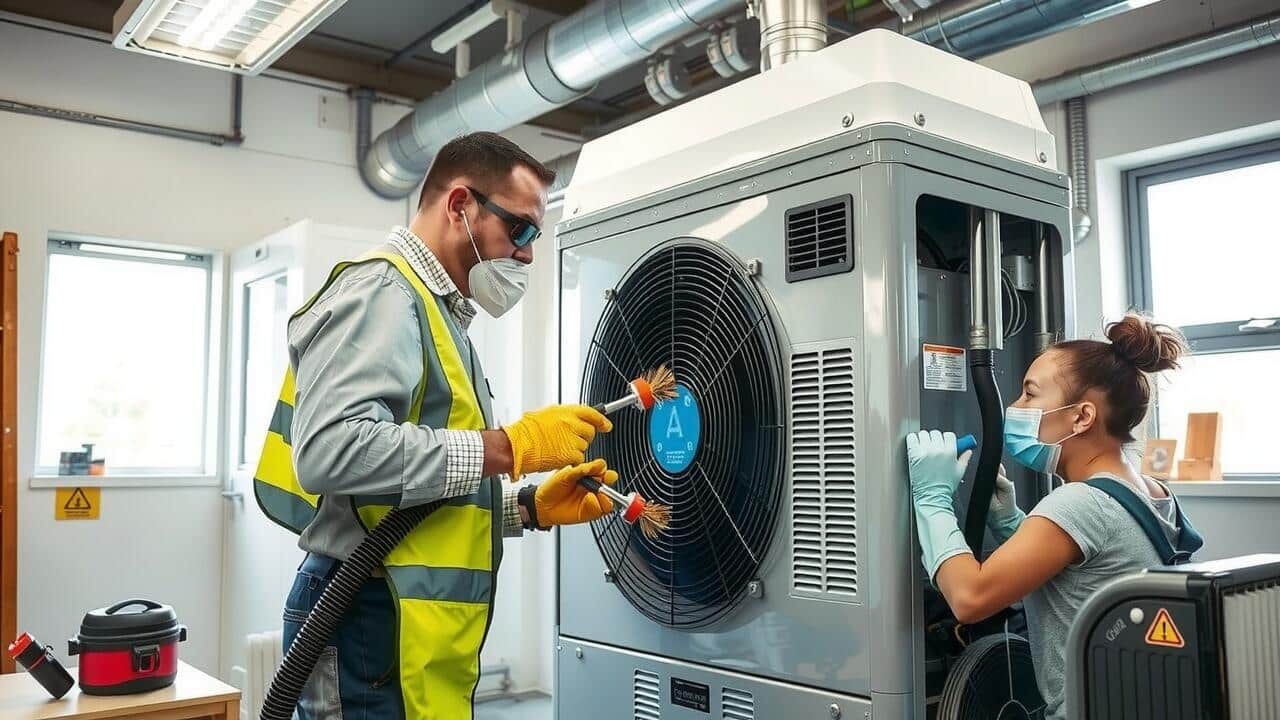
Cleaning the coils and drain pan of your air handler is a crucial step in maintaining optimal indoor air quality. Mold can grow in these areas when moisture accumulates, leading to potential health issues. Begin by turning off the power to the air handler to ensure safety during the cleaning process. Use a soft brush or a vacuum with a brush attachment to gently remove dirt and debris from the coils. For more thorough cleaning, a specialized coil cleaner can be applied, allowing it to penetrate and break down any stubborn mold.
The drain pan also requires careful attention. Standing water in the pan can create a perfect breeding ground for mold. Inspect the drain line for clogs that might prevent proper drainage. If there are any blockages, clear them out to maintain effective airflow and drainage. After cleaning the coils, wipe down the drain pan with a mixture of water and vinegar to kill any remaining mold spores. Regular air handler cleaning not only prevents mold growth but also enhances the efficiency of your HVAC system.
Effective Coil Cleaning Methods
One effective method for cleaning the coils of an air handler involves using a specialized coil cleaner solution. This type of cleaner breaks down dirt, grime, and mold, allowing for efficient removal. Apply the cleaner evenly across the coil surface and let it sit for the recommended time to penetrate the buildup. Rinse thoroughly with water afterward to ensure no residue remains, which could attract more dirt in the future. Consider wearing protective gear during this process to avoid inhaling any chemicals.
Another approach involves utilizing a soft brush or vacuum to remove loose debris before applying any cleaning solution. Be gentle during this process to avoid damaging the delicate fins on the coils. For stubborn areas, a mixture of water and vinegar can work wonders, thanks to the acid’s natural cleaning properties. Regular air handler cleaning can prevent mold growth and improve overall air quality while maintaining the efficiency of the HVAC system.
Addressing the Ductwork
Cleaning the ductwork is essential in the effort to eliminate mold from the air handler. Dust and debris collected within the ducts can provide an ideal environment for mold to thrive. To start, inspect the ducts for visible signs of mold or any blockages. A thorough examination can help identify problem areas that require immediate attention. Specific tools designed for duct cleaning, like rotary brushes or high-powered vacuums, are effective in removing contaminants while avoiding damage to the duct structure itself.
Professionals often recommend utilizing specialized cleaning solutions that target mold spores during air handler cleaning. These products can help ensure that any residual mold is effectively neutralized. After the initial cleaning, it’s important to seal ducts properly to prevent moisture from re-entering, as humidity can spawn fresh growth. Regular maintenance and inspections can help keep the system clean and functioning optimally, reducing the chances of mold returning.
Methods for Cleaning Ducts
Cleaning ducts is an essential step in maintaining effective airflow and reducing the risk of mold growth. Various methods can be employed for duct cleaning, including the use of high-powered vacuums and brushes specifically designed for duct systems. Negative air pressure systems are also popular as they can vacuum dust and debris directly from the ducts while minimizing the dispersal of contaminants in the living space.
Routine inspections are crucial for identifying any areas that may need special attention during air handler cleaning. Using specialized tools like rotary brushes can help dislodge stubborn contaminants within the ducts. It’s important to ensure that all parts of the ducting, including bends and elbows, are thoroughly cleaned to prevent any leftover residue that could foster mold development.
Preventing Future Mold Growth
Maintaining ideal humidity levels is crucial in preventing future mold growth within your air handler. Keeping indoor humidity between 30% and 50% creates an environment that is less conducive to mold spores. Using a dehumidifier can be an effective way to manage moisture, particularly in areas where humidity levels tend to rise. Regularly checking and adjusting your thermostat settings can also aid in maintaining these optimal humidity levels.
Air Handler Cleaning should be part of a routine maintenance schedule. Inspecting the air handler for leaks and ensuring that the drain pan is functioning properly helps prevent excess moisture buildup. Regularly changing air filters is another simple yet effective measure. Clean filters not only promote better airflow but also reduce the chances of mold spores circulating through your ducts and into the living environment.
Maintaining Ideal Humidity Levels
Maintaining ideal humidity levels is essential for preventing mold growth within air handlers. High humidity creates an environment that fosters mold spores. Regular monitoring of humidity levels helps ensure they stay within an optimal range, typically between 30% and 50%. Dehumidifiers can be beneficial in areas prone to excessive moisture.
Air Handler Cleaning should focus not only on removing existing mold but also on implementing preventive measures. Limiting moisture through proper airflow and ensuring that drainage systems function effectively significantly reduces mold risks. Incorporating humidity control solutions will support a clean and healthy atmosphere.
FAQS
What materials do I need to clean mold from an air handler?
You will need protective gear such as gloves, goggles, and a mask, as well as cleaning solutions like vinegar, bleach, or specialized mold cleaners, brushes, cloths, and a vacuum with a HEPA filter.
How often should I clean my air handler to prevent mold growth?
It is recommended to clean your air handler at least once a year, but if you live in a humid area or notice any signs of mold, you may need to clean it more frequently.
Can I use vinegar to clean mold from my air handler?
Yes, vinegar is an effective natural cleaner for mold and can be used to wipe down surfaces in your air handler, including the coils and drain pan.
What are the signs that my air handler has mold?
Signs of mold in your air handler include a musty smell, visible mold growth on surfaces, and increased allergy symptoms when the air conditioning is running.
Is it safe to clean mold in my air handler myself?
While it is possible to clean mold yourself, it is important to take precautions and wear protective gear. For extensive mold issues, it is advisable to hire a professional to ensure safe and thorough cleaning.
