Table Of Contents
Professional Testing Services
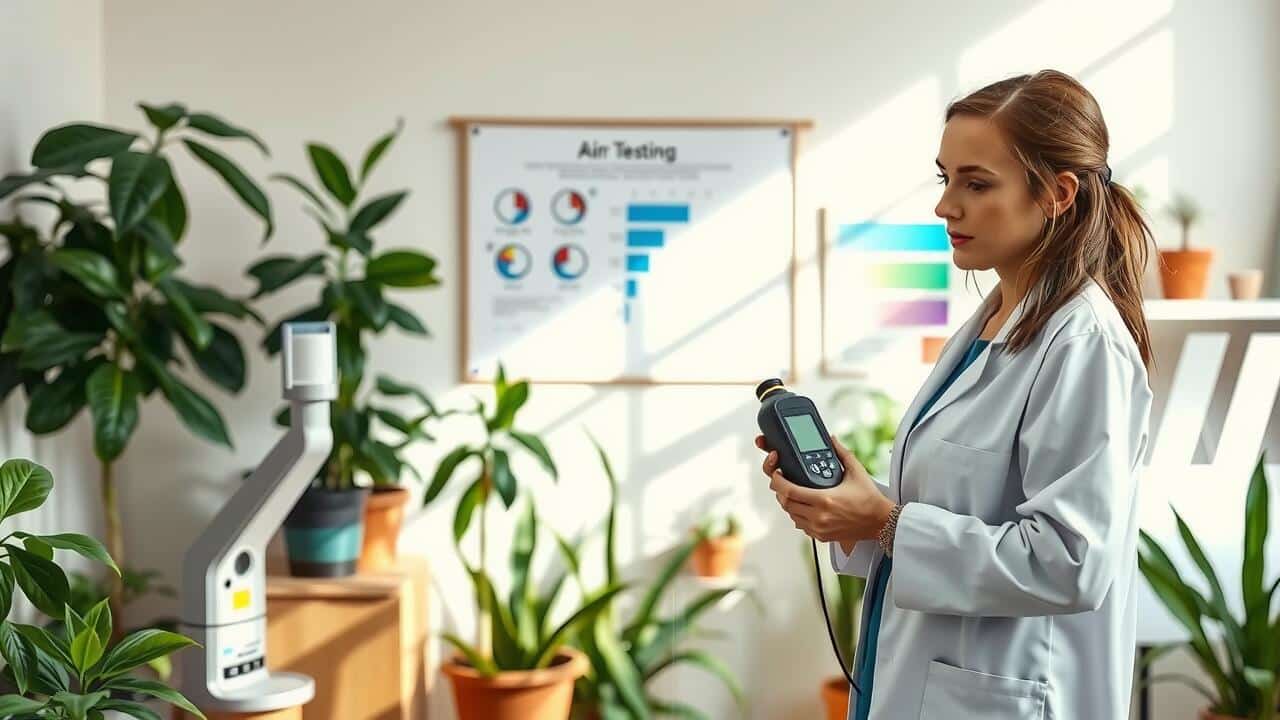
Professional testing services play a critical role in assessing indoor air quality. These experts utilize advanced equipment and techniques to collect and analyze air samples, ensuring accurate measurements of pollutants such as volatile organic compounds, particulate matter, and carbon dioxide. Their training allows them to identify potential sources of contamination and offer tailored solutions to improve air quality in homes and workplaces.
By choosing reliable air quality testing services, individuals and businesses can gain insights into their environments that regular DIY methods may not provide. Professionals often present clear reports highlighting key findings and recommended actions. This detailed information empowers clients to make informed decisions about air quality improvements and ensures long-term health benefits.
What to Expect from Experts
When engaging professional services for air quality testing, clients can anticipate a comprehensive evaluation of their indoor environment. Experts typically conduct thorough inspections, utilizing advanced equipment to measure various pollutants, including volatile organic compounds, particulate matter, and carbon dioxide levels. Their knowledge allows them to pinpoint potential sources of contamination, providing insights tailored to specific spaces.
After the testing is complete, professionals usually deliver a detailed report summarizing their findings. These documents outline the identified contaminants, their measured concentrations, and comparisons to industry standards. Clients can expect recommendations for mitigation strategies, helping to improve air quality if necessary. This thorough approach ensures individuals understand both the current air quality status and actionable steps to enhance their environment.
Interpreting Air Quality Test Results
Interpreting air quality test results requires a clear understanding of the various measurements associated with pollutants. These results typically highlight concentrations of common indoor contaminants such as particulate matter, volatile organic compounds, and carbon dioxide. Each of these pollutants is measured in specific units, with thresholds established to determine safety standards. Analyzing these values in relation to established guidelines helps identify potential health risks, allowing homeowners to make informed decisions about their environment.
Air Quality Testing can provide insights not only into immediate concerns but also into long-term exposure risks. Understanding the context of the results is crucial. For instance, elevated levels of certain pollutants may be acceptable in specific scenarios but pose serious health threats in residential settings. Engaging with professionals for interpretation can provide clarity, ensuring conclusions drawn from the data are accurate and actionable. This process empowers individuals to take steps toward improving their indoor air quality based on reliable evidence.
Understanding Measurements and Standards
Air Quality Testing involves measuring various pollutants and particulates in the air to assess its overall quality. Common standards include the Environmental Protection Agency’s (EPA) guidelines, which specify acceptable levels for common contaminants like particulate matter, volatile organic compounds, and carbon monoxide. Understanding these measurements is essential for interpreting test results accurately. Different testing methods can yield varying results, depending on the equipment used and the specific pollutants targeted.
When evaluating air quality, it’s important to be familiar with the units and scales often employed in the testing process. Pollutants are typically measured in micrograms per cubic meter (µg/m³) or parts per million (ppm), depending on their nature and concentration. Familiarity with these metrics allows individuals and organizations to compare their results against established standards and guidelines. This understanding is crucial for making informed decisions about necessary interventions or improvements in air quality.
Cost Considerations
When evaluating the cost of air quality testing, potential clients should consider both the immediate expenses and the long-term benefits. Prices can vary significantly based on the type of testing conducted, the size of the area being tested, and the specific contaminants being analyzed. Professional services may offer a more thorough analysis compared to do-it-yourself kits, which could result in a more accurate understanding of air quality.
Investing in air quality testing can provide essential insights that may improve overall health and safety in a given environment. Addressing air quality issues proactively can potentially save money in the long run by preventing health problems that arise from poor air quality. Thus, the initial outlay should be viewed not only as a cost but also as an investment in well-being and quality of life.
Balancing Investment and Benefits
Investing in air quality testing can seem daunting, yet the potential benefits may outweigh the costs. Property owners and renters alike gain invaluable insights into the invisible pollutants that could jeopardize health. By identifying sources of contamination, individuals can take informed steps towards improving their indoor environment. This improved air quality can lead to enhanced well-being, productivity, and overall quality of life.
Cost considerations play a significant role when deliberating air quality testing. The price of professional services varies based on factors such as location, size of the area tested, and the complexity of sampling. However, many people overlook the long-term savings associated with addressing air quality issues early. Investing in proper testing can prevent costly remediation efforts later, making air quality testing a prudent choice for both health and financial reasons.
FAQS
What is air quality testing?
Air quality testing involves measuring the levels of pollutants and contaminants in the air to assess its safety and quality, often conducted by professional services.
Why should I consider professional air quality testing?
Professional testing provides accurate and reliable results, as experts use advanced equipment and techniques to identify potential hazards and assess your indoor air quality more effectively.
How can I interpret the results of an air quality test?
Test results are typically presented in terms of concentrations of various pollutants, which can be compared against established safety standards to determine if your air quality is acceptable or requires remediation.
What factors affect the cost of air quality testing?
The cost can vary based on factors such as the type of testing performed, the size of the area being tested, the complexity of the analysis, and the professional service provider’s fees.
Is investing in air quality testing really worth it?
Yes, investing in air quality testing can be worth it, especially if you suspect air quality issues. It can help identify health risks, improve comfort, and potentially increase property value by ensuring a safe living environment.