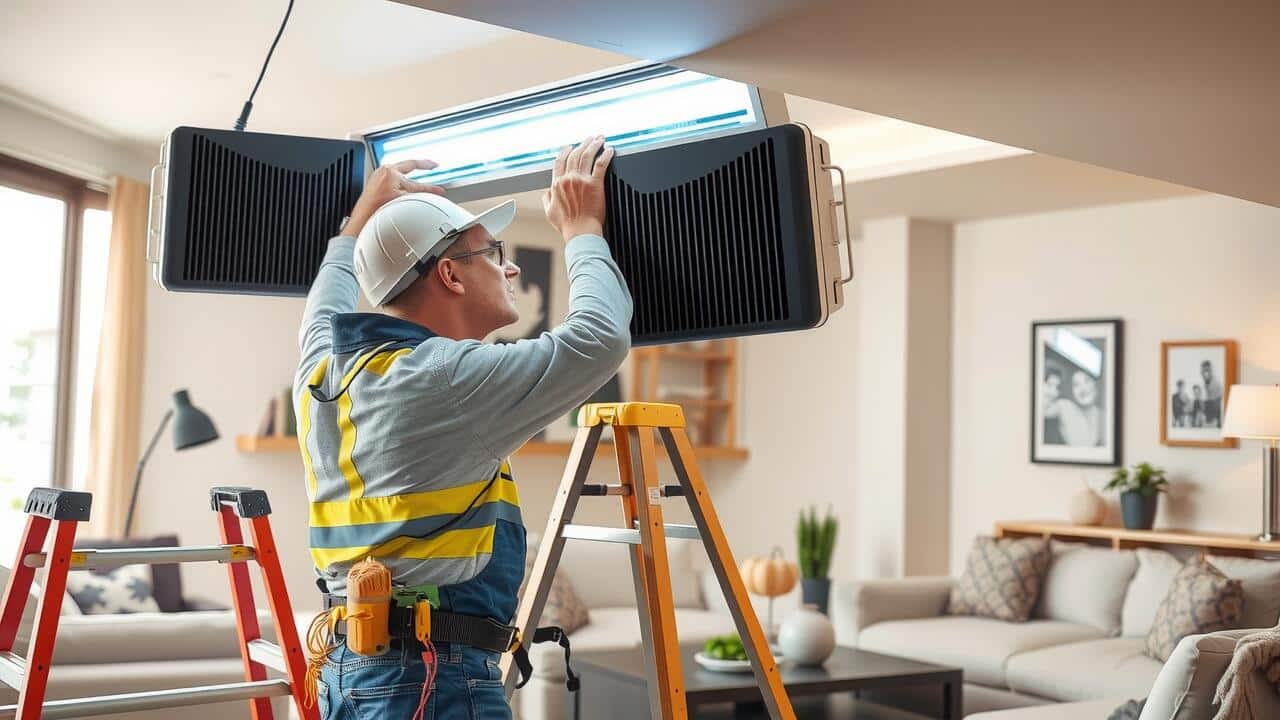
At Nonstop Air Duct Cleaning Lewisville, we offer professional UV Light Installation services designed to enhance the air quality in your home or business. Our cutting-edge UV light systems are specifically engineered to eliminate harmful bacteria, viruses, and mold spores lurking in your air ducts, ensuring that the air you breathe is safe and clean. By integrating UV light technology into your HVAC system, we help reduce allergens and improve overall indoor air quality, creating a healthier environment for you and your loved ones. Trust our experienced team to provide efficient installation and ongoing support, making your air duct system work at its best for years to come.
Costs Associated with UV Light Installation
The costs related to UV light installation within an HVAC system can vary significantly based on several factors, including the size of the system and the complexity of the installation. Typically, homeowners can expect to pay for the UV lamp itself and associated installation components like wiring and ballast. Depending on the chosen model, the price for the UV lamp may range from $50 to several hundred dollars, while professional installation can cost between $100 and $300. Long-term maintenance expenses also emerge, as UV lamps require periodic replacement to maintain efficiency, usually every 12 to 24 months.
Investment in UV lights can lead to improved indoor air quality by reducing bacteria, viruses, and mold growth within your ductwork. This dual benefit not only enhances the comfort of your living space but also potentially lowers healthcare costs associated with respiratory issues caused by allergens and volatile organic compounds (VOCs). An efficient system minimizes odors and improves overall airflow, contributing to a healthier environment. While the initial costs may seem high, the long-term savings and improvements make UV light installation a worthwhile consideration for many homeowners.
Breakdown of Installation and Maintenance Expenses
Installing UV lights in your HVAC system involves various costs that need to be carefully considered. Initial expenses include the purchase of the UV sterilizer itself, which can vary based on the size of the unit and the specific technology used, such as mercury-vapor lamps. Additional costs arise from the installation process, requiring skilled technicians equipped with the right tools. This may involve spending on screws, duct tape, or sheet metal if modifications to the existing ductwork are necessary.
Maintenance costs are equally important as they ensure the longevity and effectiveness of the UV lights. Regular checks are advised to monitor the performance of the light bulbs and to replace them as needed, which could involve additional costs for both parts and labor. It is crucial to keep in mind the impact of contaminants like moisture and biofilm on the lifespan of the UV system. Scheduling annual inspections can help prevent issues that could lead to more significant repairs or replacements down the line, promoting better indoor air quality and overall customer satisfaction.
Enhancing HVAC Efficiency with UV Lights
Incorporating UV lights into an HVAC unit can significantly enhance air quality and overall system performance. These germicidal lights work by targeting and neutralizing airborne pathogens such as bacteria, molds, and viruses, reducing the likelihood of contaminants recirculating throughout your living space. When installed properly, UV lights actively promote cleaner air by addressing health hazards linked to poor indoor air quality. Not only does this lead to a more pleasant environment, but it also aids in lengthening the lifespan of filters and other HVAC components, ultimately lowering maintenance costs.
The integration of UV lights leads to a more efficient air filtration system, ensuring that the HVAC equipment operates effectively. This efficiency can help reduce energy consumption while maintaining optimal heating and cooling capabilities. Additionally, eliminating odors produced by dankness or pet dander enhances the quality of life in your home. Reliable inspections and routine maintenance can ensure that the UV lights are functioning correctly, which is essential for maximizing their effectiveness and maintaining a safe environment for renters and homeowners alike.
Impact on Overall System Performance
Introducing UV lights into an HVAC system significantly enhances overall system performance by improving air quality and efficiency. These germicidal lamps effectively eliminate indoor air pollutants, including dust, mold, and viruses. The continuous exposure to ultraviolet (UV) radiation ensures that harmful microorganisms are inactivated, which complements the filtration efforts of HEPA filters. As a result, air flowing through the system is cleaner, reducing the health risks associated with airborne contaminants. This purification process leads to a less congested air conditioning system, as the buildup of dirt and allergens is minimized.
Furthermore, the integration of a UV light purification system can lead to substantial energy savings over time. With fewer airborne particles interfering with airflow, HVAC components such as air handlers, blower fans, and heat pumps operate more efficiently. The reduced strain on these systems can prolong their lifespan and decrease the frequency of repairs. Improved performance of heating and cooling systems ultimately translates to lower energy consumption, making it not just a health-conscious choice but also a cost-effective one for homeowners.
Safety Measures During UV Light Installation
When considering the installation of UV lights within your HVAC system, it is crucial to prioritize safety. Proper planning and execution can prevent health hazards for both installers and occupants. Wearing appropriate personal protective equipment (PPE) like gloves and safety glasses is essential. Ensure that you work in a well-ventilated area to minimize exposure to any airborne particles or fumes generated during the installation process.
Following electrical codes is also a key component of a safe installation. This involves using the correct tools, such as snips and hole saws, along with ensuring that grounding wires are properly connected to avoid electrical hazards. Additionally, placing UV light fixtures away from direct view minimizes exposure to ultraviolet rays, which can pose health risks. With these safety measures in place, the risk of illness from airborne diseases and other contaminants can be significantly reduced, creating a healthier environment in your home.
Protecting Your Family from Harmful Rays
UV lights provide significant benefits in creating healthier living environments by reducing harmful pathogens and airborne particles, including pet dander and pollen. However, it’s essential to prioritize safety during the installation process. Since these ultraviolet lights emit rays that can pose risks, especially to the eyes, proper precautions are necessary. Wearing protective eyewear during installation safeguards against exposure that could lead to conditions like cataracts or pinguecula, which involve degradation of eye tissue.
Homeowners should ensure that UV lights are installed in locations that limit direct exposure to inhabitants and pets. An expert technician will follow safety guidelines and use quality materials to prevent hazards associated with UV radiation. Additionally, understanding the balance between effective purification and health risks is crucial. Regular maintenance of the UV system is also important, as it ensures the lights function correctly while continuing to provide a cleaner living atmosphere free from harmful chemicals and microbes.
FAQS
What are the typical costs associated with UV light installation?
The costs of UV light installation can vary widely depending on factors such as the size of your HVAC system, the type of UV lights used, and local labor rates. Generally, homeowners can expect to pay between $500 and $1,500 for installation, including both equipment and labor.
How often do UV lights need to be maintained or replaced?
UV lights typically require minimal maintenance, but it’s advisable to replace the bulbs every 12 months for optimal performance. Some systems may have longer-lasting bulbs, but regular inspections are recommended to ensure they are functioning effectively.
How do UV lights enhance HVAC efficiency?
UV lights enhance HVAC efficiency by reducing the buildup of mold, bacteria, and other contaminants on the HVAC system’s coils and ducts. This leads to improved airflow and reduces the workload on the system, ultimately lowering energy costs.
Are UV lights safe for my family and pets?
Yes, when installed properly, UV lights are safe for both humans and pets. They are designed to be contained within the HVAC system, preventing exposure to harmful rays. However, safety measures should always be followed during installation to ensure no accidental exposure occurs.
Can I install UV lights in an existing HVAC system?
Yes, UV lights can be installed in most existing HVAC systems. It’s recommended to consult with a professional to evaluate your system and determine the best placement for the UV lights to maximize their effectiveness.