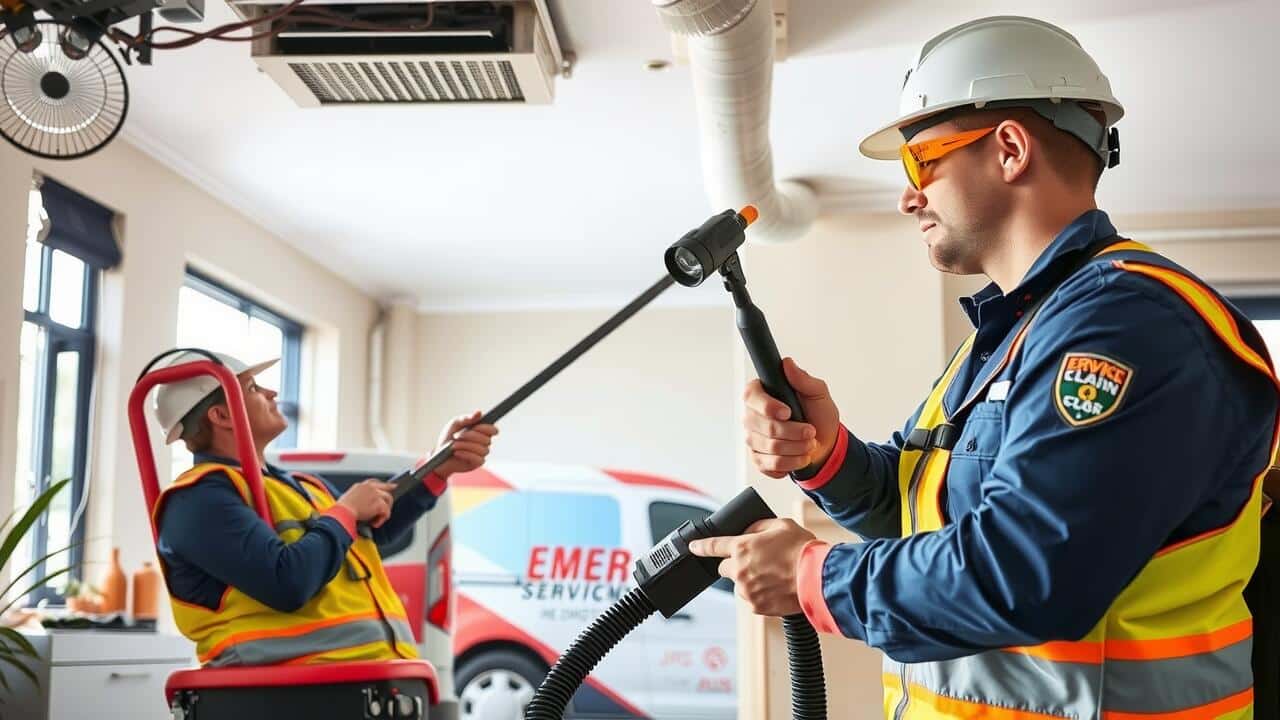
Table Of Contents
Factors Influencing Duct Placement
Proper duct placement is crucial for ensuring optimal airflow throughout a home. Factors such as the layout of the building, existing obstacles, and the location of HVAC components significantly influence where ducts can be installed. In open spaces, ducts may need to be placed strategically to avoid interference with structural elements. These decisions can affect not only performance but also the efficiency of the heating and cooling systems.
Homeowners should also consider the potential need for Emergency Air Duct Services. Unforeseen issues can arise from poor placement, leading to blockages or inadequate airflow. Maintaining an awareness of these factors can help in making informed decisions during installation or renovation, helping to prevent costly repairs and system inefficiencies in the future.
Assessing Space and Design
Assessing the available space is crucial when designing or renovating ductwork systems. Proper planning ensures that ducts are placed with adequate clearance from walls, insulation, and other obstacles. The two-foot rule serves as a guideline to maintain optimal airflow and performance. Homeowners should consider the layout of their rooms, the size of their HVAC units, and how airflow will move through spaces. This proactive approach helps avoid issues that could arise from cramped or poorly designed duct systems.
Design also plays a significant role in duct placement. Aesthetic choices can sometimes conflict with functional requirements, leading to inadequate airflow or increased energy costs. Emergency Air Duct Services can assist in navigating these challenges, ensuring that duct routes do not compromise comfort or efficiency. When assessing design, it’s important to factor in future renovations or expansions. A flexible approach allows for better long-term performance and ease of maintenance.
Consequences of Ignoring the 2 Foot Rule
Ignoring the 2 foot rule for duct placement can lead to significant operational challenges within an HVAC system. Ducts positioned too close to walls or other structures can restrict airflow, resulting in decreased efficiency and increased energy consumption. Homeowners may notice uneven heating or cooling throughout their space, which can result in discomfort. Additionally, the likelihood of strain on the system increases, leading to a higher probability of costly repairs or replacements.
Poor duct placement can also create long-term consequences that extend beyond immediate performance issues. Over time, the wear and tear on HVAC components can escalate, requiring more frequent maintenance and repairs. Homeowners may find themselves needing Emergency Air Duct Services if problems arise from neglected duct placement. An inefficient system can also contribute to poor indoor air quality, as restricted airflow can lead to the accumulation of dust and allergens within the ducts.
Long-term Effects on HVAC Performance
Ignoring the 2 foot rule for duct placement can lead to inefficient airflow and uneven distribution of temperature in a home. When ducts are improperly installed or are too close to other structures, blockages may occur. This results in increased energy consumption as the HVAC system works harder to maintain desired temperatures. Over time, this strain can shorten the lifespan of the HVAC equipment, leading to costly repairs and replacements.
Inadequate airflow caused by poor duct placement can also contribute to an uncomfortable living environment. Homeowners may notice hot and cold spots throughout their space, which may prompt frequent adjustments to the thermostat. This constant fluctuation not only disrupts comfort but can also lead to higher energy bills. Regular maintenance and the availability of Emergency Air Duct Services can help ensure optimal duct performance and compliance with the necessary installation standards.
Tips for Homeowners on Duct Maintenance
Regular maintenance of air ducts is crucial for maintaining efficient heating and cooling systems. Homeowners should schedule routine inspections to identify any issues such as blockages, leaks, or signs of wear. Cleaning ducts periodically can help improve indoor air quality and system performance. Utilizing professional services can ensure that all aspects of ductwork, including the adherence to the 2 foot rule, are properly addressed.
In the event of significant problems, homeowners should not hesitate to contact Emergency Air Duct Services. These professionals are equipped to handle urgent issues that may arise from neglecting duct maintenance. Quick response times can mitigate further damage to the HVAC system and enhance overall home comfort. Regularly checking the condition of air ducts helps avoid unexpected breakdowns and promotes a healthier living environment.
Ensuring Adherence to the Rule
Maintaining proper duct placement in accordance with the 2 foot rule is essential for optimal HVAC performance. Homeowners should conduct regular inspections to ensure that ducts are at least two feet away from any structural components or other ducts. This distance minimizes the risk of airflow restrictions and allows for efficient heating and cooling within the home. Monitoring the condition of ducts can also help in identifying any potential issues early on, preventing costly repairs in the future.
In instances where homeowners identify violations of the 2 foot rule, immediate action should be taken. Consulting with professionals who provide Emergency Air Duct Services can offer tailored solutions to rectify any problematic duct placements. These experts can assess the situation thoroughly and recommend the best course of action to ensure that all ducts are compliant. Proactive measures lead to improved energy efficiency and enhanced indoor air quality.
FAQS
What is the 2 foot rule for ducts?
The 2 foot rule for ducts refers to the guideline that requires ductwork to be installed at least 2 feet away from any potential obstructions, such as walls or other mechanical systems, to ensure proper airflow and efficiency.
Why is the 2 foot rule important for HVAC systems?
The 2 foot rule is crucial because it helps prevent airflow restrictions, which can lead to decreased HVAC performance, higher energy costs, and potential long-term damage to the system.
What are the consequences of ignoring the 2 foot rule?
Ignoring the 2 foot rule can result in inadequate airflow, increased wear and tear on HVAC components, higher utility bills, and an overall decrease in indoor air quality.
How can homeowners ensure their ducts comply with the 2 foot rule?
Homeowners can ensure compliance by consulting with HVAC professionals during installation or maintenance, regularly inspecting ductwork for proper placement, and addressing any obstructions that may affect airflow.
What are some tips for maintaining ductwork in relation to the 2 foot rule?
Tips for maintaining ductwork include keeping areas around ducts clear of obstructions, scheduling regular HVAC system inspections, and ensuring that any renovations or structural changes do not interfere with the required 2 foot spacing.