Table Of Contents
Natural Alternatives for Mold Eradication
Natural alternatives for mold eradication can effectively tackle mold without harsh chemicals. Vinegar is a powerful and safe option that can penetrate mold’s surface. Its acidic properties kill many types of mold upon contact. When applied directly to the affected areas, vinegar can diminish the visibility of mold and reduce its growth potential.
Baking soda is another household staple that proves beneficial in mold remediation. This natural abrasive can help scrub away mold while neutralizing odors. Mixing baking soda with water creates a paste that can be applied to moldy surfaces. After scrubbing, rinsing with water will help remove both the baking soda and any lingering mold spores. These alternatives not only protect the environment but also promote a healthier living space.
Using Essential Oils for Mold Control
Essential oils have gained popularity as a natural alternative for mold control. Oils such as tea tree, lavender, and eucalyptus possess antifungal properties that can inhibit mold growth. When using essential oils, it is essential to dilute them with water before applying them to affected areas. A spray bottle can be an effective tool for distributing the solution evenly across surfaces. Regular application may be necessary to maintain an environment that discourages mold development.
Incorporating essential oils into your cleaning regimen can complement traditional mold remediation techniques. While these oils can help reduce mold spores in your living spaces, they should not replace more comprehensive mold treatment methods. Ensuring proper ventilation and controlling humidity levels remains vital for long-term results. By combining the use of essential oils with these preventative measures, you can create a healthier environment while minimizing the likelihood of mold recurrence.
Preventing Mold Recurrence
Preventing mold recurrence requires a proactive approach to moisture control. Keeping humidity levels below 60% is crucial for reducing the chances of mold growth. Use a dehumidifier in areas prone to dampness, such as basements or bathrooms. Ensure proper ventilation in your home, particularly in high-moisture areas. Regularly inspect areas that are susceptible to water leaks, such as pipes or roofs, and address any issues promptly.
Incorporating mold-resistant products during renovations can significantly reduce the likelihood of mold returning. While DIY methods may suffice for minor cases, professional mold remediation becomes necessary for extensive infestations. Experts use specialized techniques and equipment for thorough assessments. Following mold remediation, maintaining cleanliness and addressing humidity will help keep mold at bay. Regular cleaning of surfaces and ensuring proper air circulation can contribute to a mold-free environment.
Best Practices for Moisture Control
Maintaining optimal moisture levels in a home is crucial for preventing mold growth. Homeowners should regularly inspect areas prone to dampness, such as bathrooms, kitchens, and basements. Simple measures like fixing leaks, using exhaust fans, and ensuring proper ventilation can significantly reduce humidity. Additionally, using a dehumidifier can help keep moisture levels in check, especially in areas vulnerable to excess humidity.
In spaces where mold has previously occurred, implementing moisture control practices becomes even more critical. After conducting mold remediation, monitoring moisture levels is essential to prevent a resurgence. Keeping indoor humidity below 50% provides an environment less conducive to mold growth. Regularly checking for condensation on windows and walls can also serve as an early warning sign of moisture issues.
Professional Mold Remediation
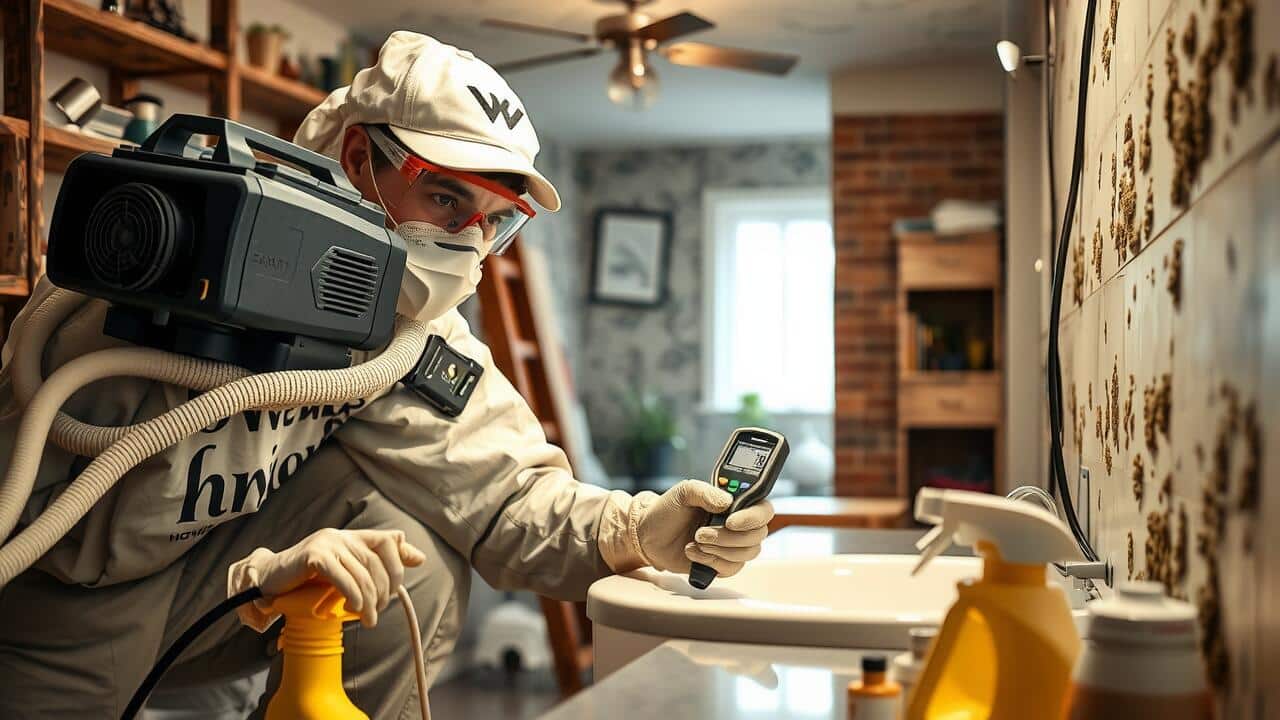
Professional mold remediation involves specialized techniques and equipment to remove mold from various surfaces effectively. Trained specialists assess the extent of the mold growth and identify the source of moisture that allowed it to thrive. They use advanced tools and products designed to eliminate mold spores and prevent future growth. The process may include containment of the affected area to prevent cross-contamination during the cleanup, as well as air quality testing to ensure that all mold has been successfully eradicated.
In instances of severe mold infestations, it is crucial to call in experts who understand the science behind mold remediation. These professionals have the training to handle hazardous materials and the experience to follow safety protocols. They not only remove existing mold but also implement solutions to prevent recurrence, such as repairing leaks and improving ventilation. Their thorough approach ensures a safer environment for occupants and addresses the underlying issues that contribute to mold growth.
When to Call in the Experts
Recognizing the signs of a serious mold problem can be challenging for homeowners. Sometimes visible mold may not fully represent the extent of the issue. If you notice persistent musty odors, water stains, or visible mold growth in hard-to-reach areas, it may be time to consult professionals. Mold remediation specialists have the expertise and tools to assess the situation accurately and determine the best course of action.
In cases where mold covers a large area, or when it has permeated materials like drywall or insulation, DIY solutions may not suffice. Professionals possess the necessary training to handle hazardous mold safely while ensuring thorough removal from your home. They also implement preventive measures to minimize the chance of future mold growth, making their expertise invaluable for maintaining a healthy indoor environment.
FAQS
What are some natural alternatives for mold eradication?
Natural alternatives for mold eradication include vinegar, hydrogen peroxide, baking soda, and essential oils like tea tree oil and lavender oil.
How effective are essential oils in controlling mold?
Essential oils can be effective in controlling mold due to their antifungal properties. Oils like tea tree and clove oil have been shown to inhibit mold growth when used properly.
What are the best practices for moisture control to prevent mold?
Best practices for moisture control include maintaining low indoor humidity levels (between 30-50%), using dehumidifiers, ensuring proper ventilation, and promptly fixing any leaks or water damage.
When should I consider professional mold remediation?
You should consider professional mold remediation when the mold problem is extensive, if it reoccurs despite your efforts, or if you have health concerns related to mold exposure.
Can I completely eliminate mold on my own?
While you can significantly reduce mold with proper cleaning and prevention methods, complete eradication may require professional intervention, especially for larger infestations or hidden mold.
