Table Of Contents
Monitoring Refrigerant Levels
Regularly monitoring refrigerant levels is a crucial aspect of air handler maintenance. Low refrigerant levels can lead to decreased efficiency and performance. Insufficient amounts can also cause the system to work harder, which results in increased energy consumption and higher utility bills. Proper maintenance, including air handler cleaning, helps to uncover potential leaks or issues that may disrupt refrigerant levels.
Checking refrigerant levels should be part of a routine maintenance schedule. Technicians often utilize specialized gauges to assess the system’s pressure and ensure it aligns with manufacturer specifications. An air handler that operates with the correct refrigerant level will not only cool or heat spaces effectively, but it will also ensure longevity and optimal operation of the unit. Regular air handler cleaning helps maintain overall system health and can prevent refrigerant-related problems from arising.
Why Proper Refrigerant Levels Matter
Proper refrigerant levels are essential for the efficient operation of an air handler. Insufficient refrigerant can lead to reduced cooling capacity, causing the unit to work harder than necessary. This not only increases energy consumption but also puts additional strain on the system components. Over time, this strain may lead to mechanical failures or even premature breakdowns, which can be costly to repair.
Regular air handler cleaning and maintenance are vital for monitoring refrigerant levels. When dirt and debris accumulate, they can obstruct airflow and affect the overall performance of the unit. By ensuring that the coils and filters are clean, it is easier to maintain optimal refrigerant levels. This proactive approach helps enhance system efficiency and prolongs the lifespan of the air handler.
Cleaning the Coils
Cleaning the coils of an air handler is essential to ensure optimal efficiency and performance. Dust and debris can accumulate on the surface of the coils, obstructing airflow and reducing their ability to transfer heat. Regular maintenance through air handler cleaning helps prevent this buildup, allowing the system to operate at peak capacity. It also prolongs the lifespan of the unit and can lead to significant energy savings over time.
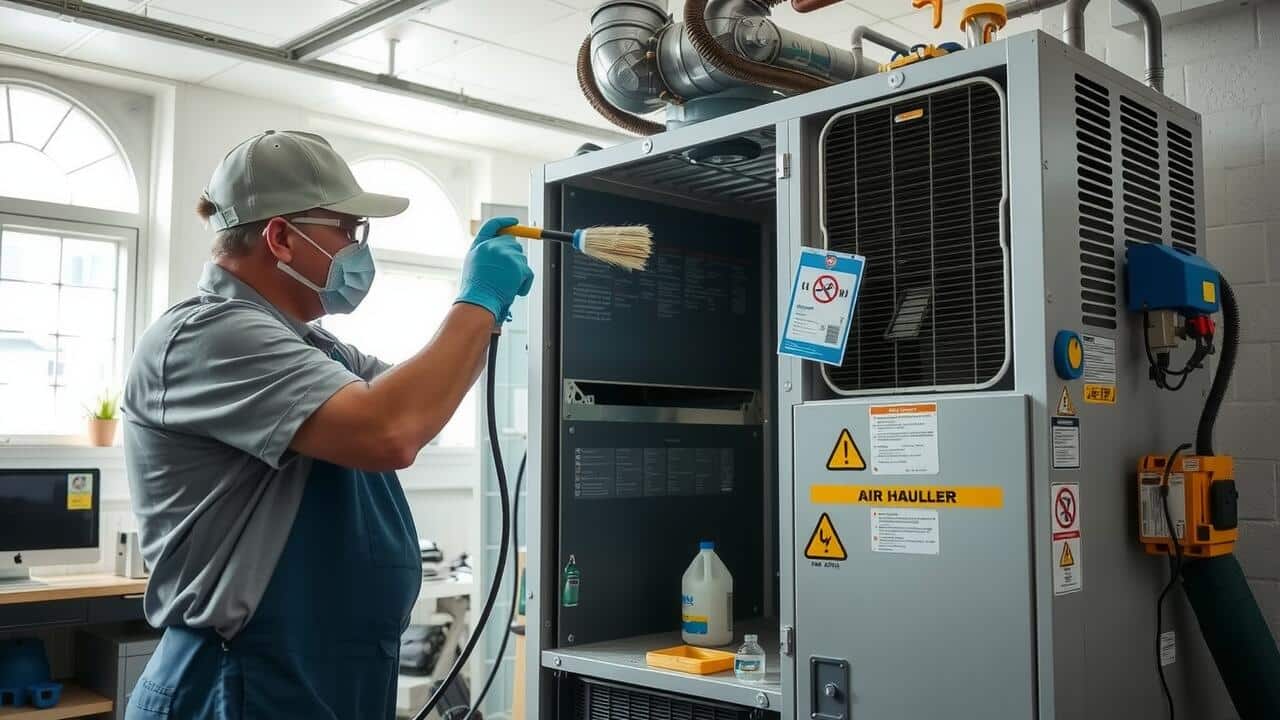
There are various techniques for effective coil maintenance that can be employed during air handler cleaning. Using a vacuum cleaner with a soft brush attachment can help gently remove loose dirt. For more stubborn grime, a solution specifically designed for coil cleaning may be applied, followed by rinsing with water. This process not only enhances performance but also minimizes the risk of potential system failures due to neglect.
Techniques for Effective Coil Maintenance
Regular Air Handler Cleaning is essential for maintaining optimal coil performance. Dirt and debris can accumulate on the coils, hindering heat exchange and reducing energy efficiency. It’s advisable to use a soft brush or a vacuum with a brush attachment to gently remove buildup from both the evaporator and condenser coils. Always ensure the system is turned off before starting the cleaning process to avoid any electrical hazards.
In addition to manual cleaning, applying a no-rinse coil cleaner can enhance the maintenance routine. This type of cleaner helps break down stubborn grime without the need for rinsing, saving time and ensuring a thorough clean. After applying the cleaner, follow the manufacturer’s instructions for the best results. Regular inspection of the coils during Air Handler Cleaning will help catch issues early, ensuring the system operates efficiently for longer periods.
Evaluating Electrical Connections
Regular evaluation of electrical connections is crucial for ensuring the safe operation of an air handler. Poor connections can lead to inefficiencies and even safety hazards. Inspecting wires for fraying, corrosion, or loose fittings is essential. During maintenance, technicians should also check the integrity of fuses and circuit breakers. This attention to detail helps prevent unexpected breakdowns and enhances overall performance.
Incorporating electrical checks into routine Air Handler Cleaning can help identify potential problems before they escalate. Ensuring that all connections are secure and functioning properly contributes to the longevity of the system. Electromechanical components should be monitored for signs of wear, as a failure in these areas can disrupt airflow and temperature regulation. Corrective measures can be implemented swiftly, reinforcing the importance of a comprehensive maintenance approach.
Ensuring Safe and Efficient Operation
Regular maintenance of electrical connections is essential to ensure the safe and efficient operation of an air handler. Loose or corroded connections can lead to shortened equipment lifespan or even hazardous situations. Inspecting electrical components for wear, heat damage, or signs of deterioration helps prevent malfunctions. Regular checks allow for early detection of issues before they escalate into major problems.
Air Handler Cleaning plays a vital role in maintaining the electrical system. Dust and debris accumulation can hinder electrical performance and increase the risk of overheating. Cleaning around electrical connections and components not only enhances efficiency but also contributes to overall system safety. Scheduling routine inspections will help maintain a reliable and safe air handler system throughout its lifespan.
FAQS
What type of maintenance does an air handler require?
An air handler typically requires regular monitoring of refrigerant levels, cleaning of coils, and evaluation of electrical connections to ensure optimal performance and efficiency.
Why is it important to monitor refrigerant levels in an air handler?
Proper refrigerant levels are crucial because they affect the air handler’s efficiency and cooling capacity. Low refrigerant levels can lead to increased energy costs and potential damage to the system.
How often should the coils of an air handler be cleaned?
It’s recommended to clean the coils of an air handler at least once a year, but depending on usage and environmental factors, more frequent cleaning may be necessary.
What techniques can be used for effective coil maintenance?
Effective coil maintenance techniques include using a soft brush or vacuum to remove dust and debris, applying a specialized coil cleaner, and ensuring proper airflow around the coils.
How can I evaluate the electrical connections in my air handler?
To evaluate electrical connections, check for loose or corroded wires, inspect connections for signs of wear, and ensure that all components are securely fastened. It’s advisable to consult a professional if you’re not familiar with electrical systems.