Table Of Contents
Remove Excess Water
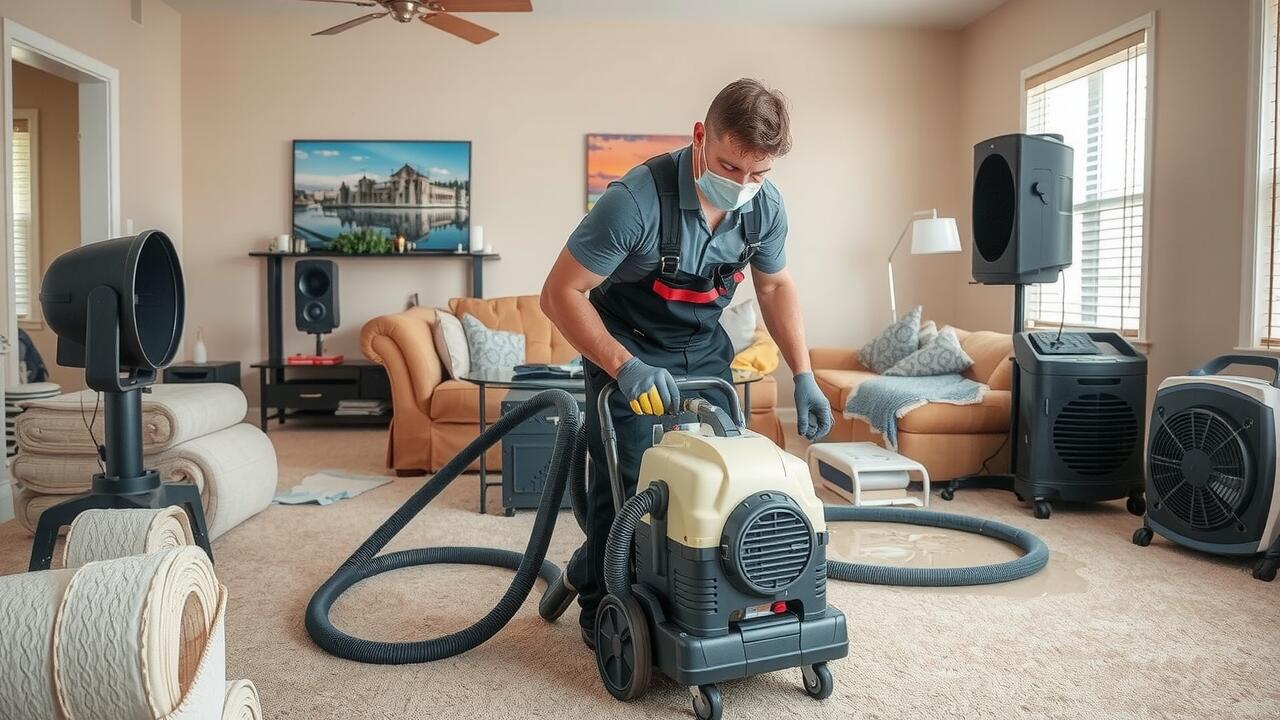
Water damage can quickly escalate if not addressed promptly. Start by removing as much excess water as possible from the affected areas. Use towels for smaller spots and buckets for larger pools of water. The more water you can collect and remove immediately, the less lingering damage will occur. This process is crucial in preventing further complications, such as mold growth or structural issues.
Consider contacting a water damage restoration service if the situation seems overwhelming. Professionals have the tools and expertise to handle substantial water removal effectively. They can ensure that the area is dried out thoroughly to mitigate any long-term damage. Taking these early steps can significantly impact the overall recovery process.
Use Towels and Buckets for Small Areas
When faced with water damage in small areas, using towels and buckets can be an effective first step in managing the situation. Absorbent towels help soak up excess water quickly, while buckets can collect the remaining liquid, preventing further seepage into your home. Start by blottng wet surfaces with towels, focusing on carpets, rugs, or any fabric that absorbs moisture easily. Replace the towels as they become saturated to maximize water removal.
In some cases, a water damage restoration service can provide additional assistance. Professionals have the right tools and expertise to address water damage effectively. They can help ensure that all moisture is eliminated, minimizing the risk of lingering issues such as mold growth. Keeping the affected area dry will be crucial in preventing further complications.
Dry Out Affected Areas
Ensuring thorough drying of affected areas is critical after experiencing water damage. Instead of relying solely on natural air circulation, consider using fans and dehumidifiers to expedite the process. These appliances can help in removing moisture from the air and drying surfaces more effectively. Position fans to create airflow across damp areas, while dehumidifiers can reduce humidity levels significantly, promoting faster evaporation.
If the water damage is extensive, you might want to reach out to a water damage restoration service. These professionals possess the necessary equipment and expertise to handle severe situations where residential methods may fall short. Their advanced tools help ensure that the drying process is efficient, minimizing the risk of long-term damage such as mold growth or structural issues.
Set Up Fans and Dehumidifiers
Setting up fans and dehumidifiers is crucial in the aftermath of water damage. Fans help circulate air, promoting evaporation from wet surfaces. Place them strategically in areas with the most moisture to effectively increase airflow. Dehumidifiers work to reduce humidity levels, ensuring that the air can hold less moisture. This combined approach speeds up the drying process and minimizes the risk of further damage.
While fans and dehumidifiers can be highly effective, their use can also be enhanced by a water damage restoration service. Professionals have the expertise to assess the situation and deploy equipment tailored to the specifics of the damage. They can ensure that all affected areas are adequately ventilated and dried, reducing the risk of mold growth and structural issues in the future.
Check for Mold Growth
After addressing water removal and drying out the affected areas, it is crucial to monitor for mold growth. Mold can develop within 24 to 48 hours of water exposure, making early detection vital. Regularly inspecting damp areas, such as behind walls or under carpets, can help identify any signs of mold. Look for discoloration, a musty odor, or any visible spores.
If mold is found, it is essential to act quickly. A water damage restoration service can provide the expertise needed to safely remove mold and mitigate further damage. Professionals can assess the extent of the mold issue and implement effective remediation strategies, ensuring your home remains safe and healthy.
Inspect Damp Areas Regularly
Regular inspection of damp areas is crucial after experiencing water damage. Even small amounts of moisture can lead to significant problems over time, such as structural damage or mold growth. Homeowners should check behind walls, under carpets, and in hidden corners where water may linger undetected. Prompt identification of damp areas can prevent more extensive damage down the road.
Engaging a water damage restoration service can help in the assessment and management of affected areas. These professionals have the expertise to identify hidden moisture and recommend appropriate actions. Regular inspections can keep a home safe and healthy, particularly after an incident that has caused water exposure.
FAQS
What is the first step I should take after experiencing water damage?
The first step you should take is to remove excess water from the affected area. This can be done using towels, buckets, or a wet/dry vacuum for larger amounts of water.
How can I effectively dry out the affected areas after water damage?
To effectively dry out affected areas, set up fans and dehumidifiers to promote airflow and remove moisture from the air. Ensure that windows and doors are open if weather permits to aid in the drying process.
How can I check for mold growth after water damage?
After water damage, inspect damp areas regularly for signs of mold growth, such as discoloration or musty odors. If you find any mold, it’s important to address it immediately to prevent further damage and health risks.
How long should I wait before checking for mold after water damage?
It’s advisable to check for mold growth within 24 to 48 hours after the water damage occurs, as mold can start to develop quickly in damp conditions.
Do I need to call a professional for water damage restoration?
If the water damage is extensive or if you are unable to thoroughly dry out the area and prevent mold growth, it is recommended to call a professional restoration service to ensure the situation is handled properly.